Massachusetts is a global hub for robotics and advanced manufacturing. Medford Public Schools is building the pathway that feeds it. ROBOTIX C360 now runs across six schools, from 4th grade through high school, developing computational thinking and digital literacy in line with the state’s Digital Literacy and Computer Science standards. What started in two middle schools in 2025–2026 reaches 1,027 students and 29 teachers this year.
Unifying the pathway
Before ROBOTIX C360, classroom data was available, but it often arrived too late to inform timely instructional decisions. The district wanted a single, coherent sequence shared across its schools, with progress visible while there was still time to act on it.
That sequence started at Andrews and McGlynn middle schools, with 718 students and 14 teachers in its first year. For 2026/2027 Medford added four schools and extended the sequence in both directions: down to 4th grade, at three elementary schools and at McGlynn, and up to Medford High and Vocational Technical High School. The program now reaches 1,027 students and 29 teachers across six schools, from grade 4 to grade 10, all working from one curriculum and one assessment framework.
Instruction powered by real-time learning data
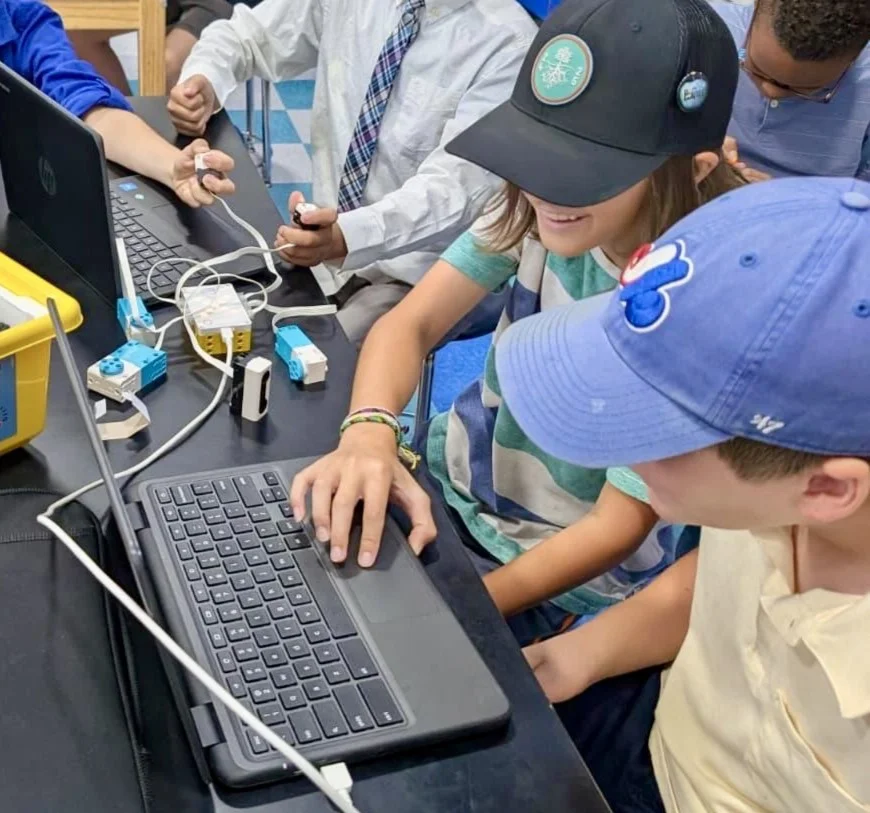
With ROBOTIX C360, educators and school leaders gain live visibility into student progress. Those insights inform day-to-day decisions—what to reteach, where to extend, how to group—so instruction keeps pace with each class. The result is continuous improvement in both teaching and learning.
The monitoring reaches the classroom instead of sitting in a dashboard. From January 2026, ROBOTIX Hands-on Learning sent teachers a short report after every session. Of the 375 reports sent, 80% carried actionable indicators about specific students and 69% were opened. Over the year, 91.9% of students finished in the no-risk band, and the remaining 8.1% were identified while there was still time to support them.
Confidence, engagement, and DLCS alignment
Learners don’t just complete projects; they build confidence and persistence while developing deep computational thinking and digital literacy aligned to Massachusetts’ DLCS. By making learning progress visible and connecting classroom activities to real-world challenges, ROBOTIX C360 helps educators foster student engagement, confidence, and persistence.
First-year results provide evidence of student progress. In 2025–2026 students completed 63% of the program with an average grade of 7.5 out of 10, and every grade level achieved an average score above the passing threshold. The grade level that completed the smallest portion of the curriculum earned the highest average score. Progress and mastery are measured separately, so pace never stands in for learning.
Plugging into Massachusetts’ robotics leadership
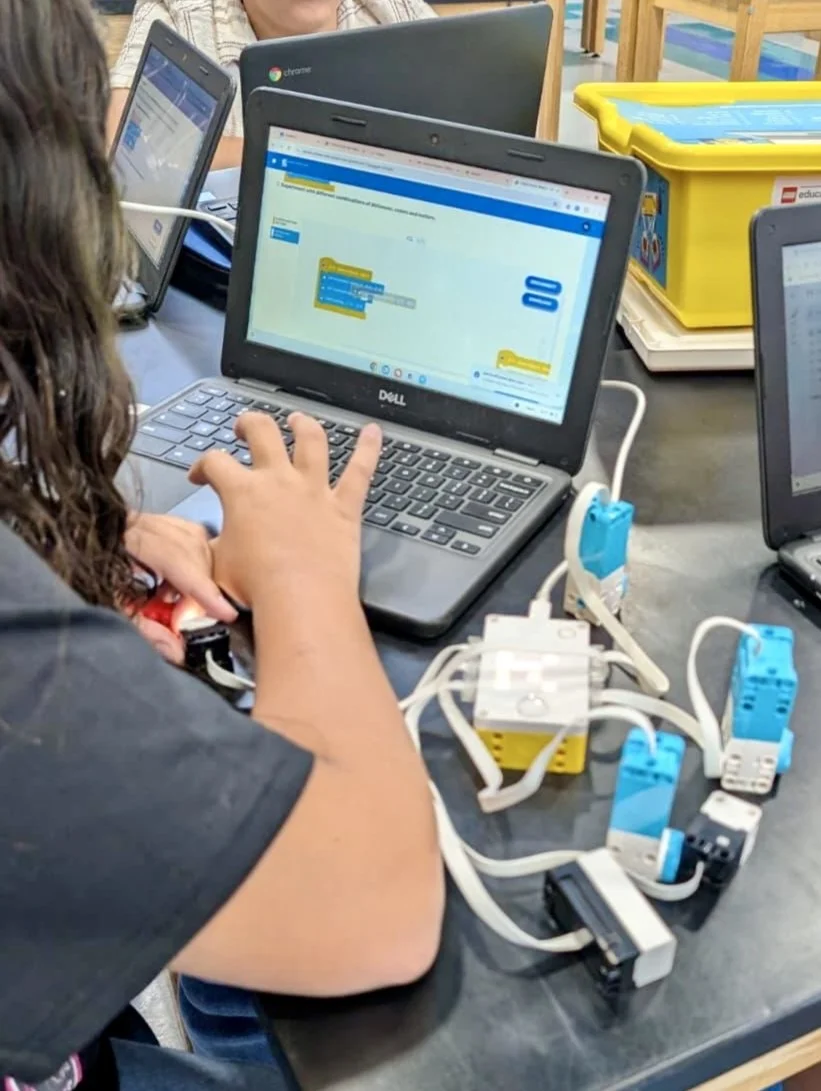
Massachusetts boasts 500+ robotics and automation firms, world-class universities, and hubs like MassRobotics (Boston) and the NERVE Center (UMass Lowell). With STEM job growth projected at +7.2% by 2028, skills in engineering, automation, AI, and life sciences are in high demand. Medford’s middle-school integration of ROBOTIX C360 connects directly to that innovation economy—so the competencies developed through ROBOTIX C360 provide an early foundation for future learning and career opportunities in Massachusetts’ innovation economy.
What this means for Medford—and beyond
Students are not just learning about robotics; they’re preparing to contribute to the Commonwealth’s robotics, advanced manufacturing, and life sciences sectors. District leaders gain a replicable model: a standards-aligned pathway, actionable data for instruction, and a clear bridge from the classroom to the regional economy.
In the media
Boston 25 News: Medford middle schoolers take part in STEM Week
Want to hear it firsthand? Visit a partner district.
Request a district visit