Massachusetts is a hub for robotics and advanced manufacturing, and Chelsea Public Schools is building a pathway into that field. ROBOTIX C360 now runs at four schools, from early childhood through high school, and builds computational thinking and digital literacy in line with state standards. It began at two schools in previous courses and now reaches 410 students and 6 teachers.
Extending the pathway at both ends
Before ROBOTIX C360, classroom data often arrived too late to guide teaching. The district wanted one shared sequence, with progress visible early enough to act on it.
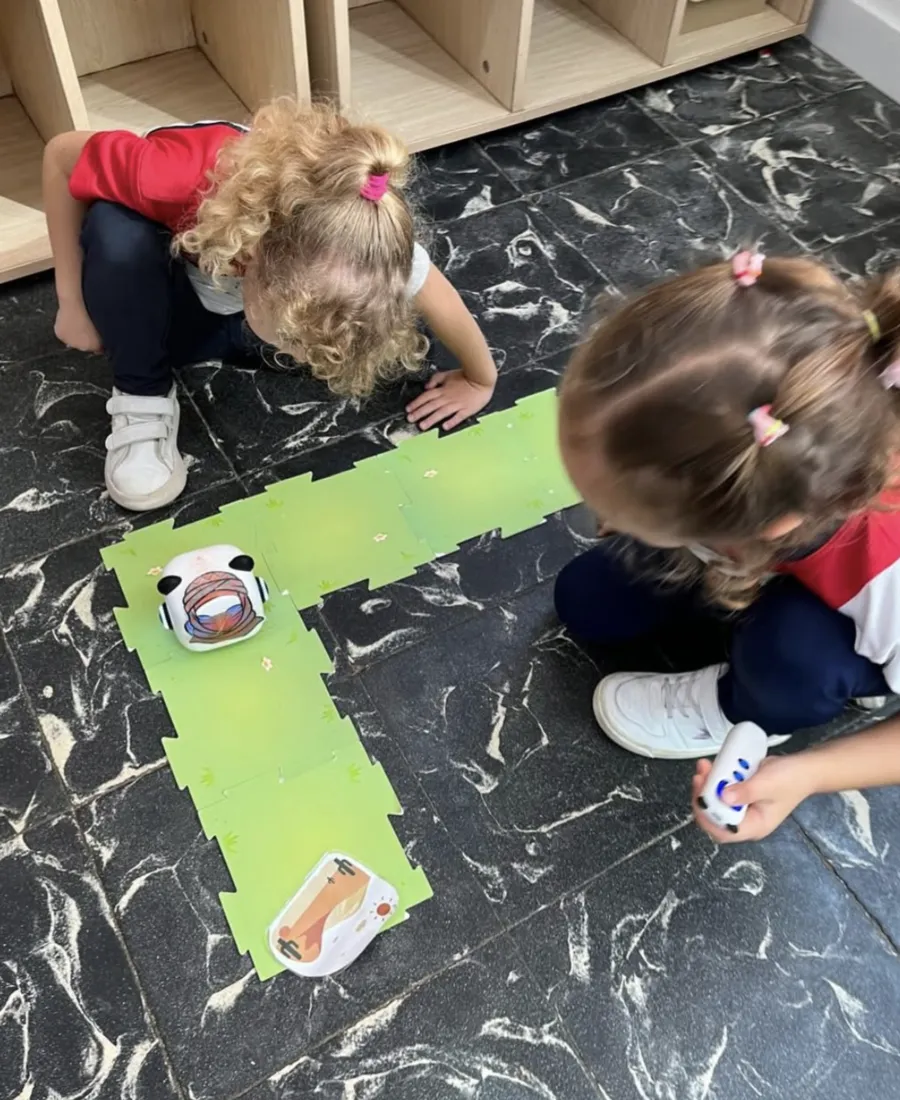
The program initially launched across three schools, reaching students at three key educational stages: early childhood at the Early Learning Center, 3rd grade at Berkowitz Elementary School, and 9th grade at Chelsea High School. In its first year, it reached 191 students.
For the 2026/2027 school year, the program has expanded further with the addition of a fourth school, Sokolowski Elementary School, which brings a second 4th grade cohort. The Berkowitz cohort has moved up with the program, from 3rd grade to 4th grade, and Chelsea High School has also extended the program to include 10th grade. As a result, the program now reaches 410 students and 6 teachers across four schools, from early childhood through to grade 10, all following a shared curriculum and assessment framework.
Instruction powered by real-time learning data
Educators and leaders get live visibility into student progress, which guides reteaching, extension and grouping. In Chelsea this matters most at the two 4th grade sites, where five groups per school share one teacher.
The monitoring reaches the classroom instead of sitting in a dashboard. From January 2026, ROBOTIX Hands-on Learning sent teachers a short report after every session. Of the 39 reports sent, 97% carried actionable indicators about specific students and 41% were opened. Over the year, 87.4% of students finished in the no-risk band, and the remaining 12.6% were identified while there was still time to support them.
Confidence, engagement and DLCS alignment
Completing a project is not the goal. Students finish with stronger confidence and more persistence, and with computational thinking and digital literacy built in depth and aligned to Massachusetts’ DLCS. ROBOTIX C360 keeps that progress visible and ties classroom work to real problems, which is what gives a teacher something concrete to act on when engagement starts to slip.
In Chelsea that runs across a wider age range than most districts. A child working before kindergarten and a 10th grader building and testing a robot are exercising the same habits of thought at different levels of abstraction.
First-year results provide evidence of student progress. In 2025–2026 students completed 41% of the program with an average grade of 7.5 out of 10, and both year groups achieved an average score above the passing threshold, with averages ranging from 7.2 to 7.7. Student satisfaction was positive in 80% of ratings. Progress and mastery are measured separately, so pace never stands in for learning.
Plugging into Massachusetts' robotics leadership
Massachusetts is home to more than 500 robotics and automation firms, with hubs including MassRobotics in Boston and the NERVE Center at UMass Lowell, and STEM employment across the state is projected to grow 7.2% by 2028.
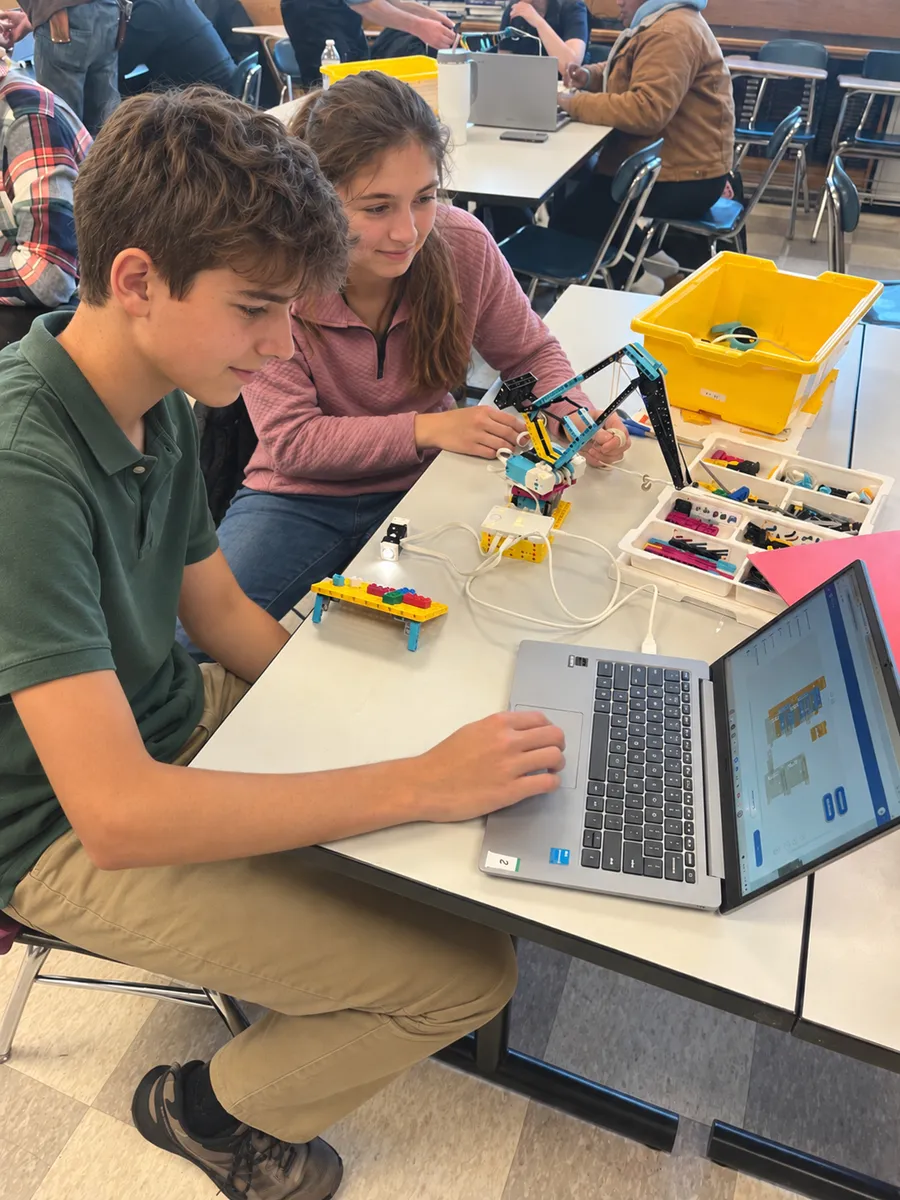
Chelsea sits directly across the Mystic River from Boston, inside the same labor market as those hubs, so the high school end of the pathway has a concrete destination. Designing a part, making it and fitting it to a working machine is the loop advanced manufacturing runs on, and it is what the final year groups spend their time on.
What this means for Chelsea, and beyond
Students get years of practice instead of one exposure. A Chelsea student can be introduced to computational thinking as early as the first years of elementary school, and meet it again in 4th grade and in high school, which is what turns an activity into a pathway.
For district leaders elsewhere, Chelsea is the model for starting early rather than entering at elementary or middle school, and for growing one school and one grade level at a time without changing the curriculum or the assessment framework.
Want to hear it firsthand? Visit a partner district.
Request a district visit